A resort town built for sunburn and bottle service has, almost in secret, assembled one of Spain's densest concentrations of serious kitchens. The stars are real; you just have to know to look up the hill.
Say 'great Spanish eating' and the mind goes to San Sebastián, to the Roca brothers in Girona, perhaps to Madrid. It does not, instinctively, go to Marbella — and that reflex is now wrong. Somewhere in the last decade this town quietly became one of the most starred stretches of coastline in the country, and it did so without ever announcing it, which is very on-brand for a place that prefers its serious things kept behind discreet doors.
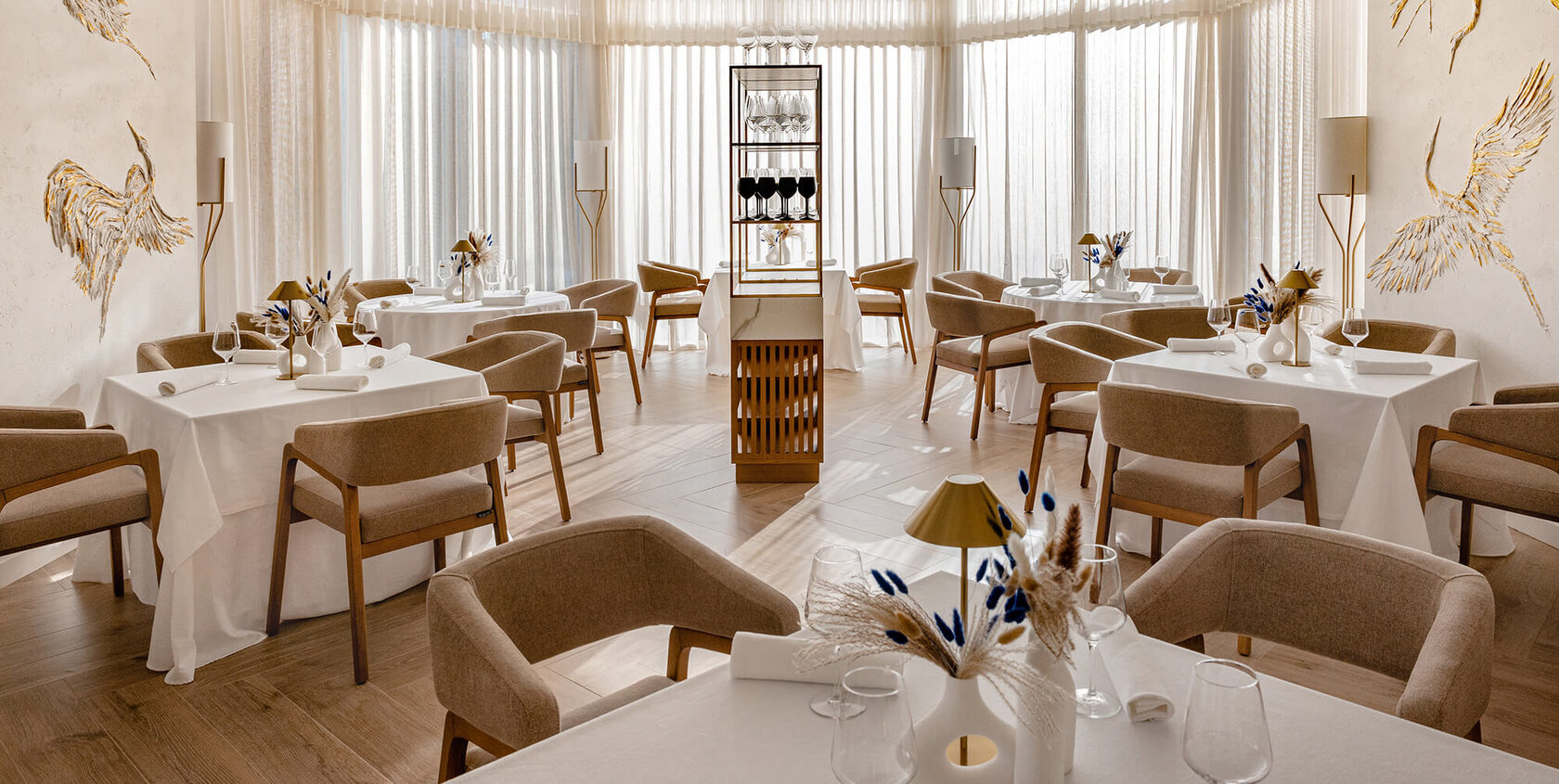
The anchor is Skina, and it is worth understanding why a two-star kitchen would choose a lane in the Old Town barely wide enough for a table of diners to find the entrance. The constraint is the point. With a handful of covers and no room for spectacle, the cooking has to carry everything — and it does, through a tasting menu rooted so specifically in Andalusian produce and technique that it functions as an argument for the region itself. There is nothing generic about it; you could not transplant this menu to another city and have it mean the same thing.
Where Skina is classical in its ambition, Back is the insurgent. Its single star was earned with a colder, more conceptual hand — fermentation, precision, a refusal of comfort — and the two restaurants sitting minutes apart in the same Old Town tells you the place can support more than one idea of excellence at once. That is the real marker of a food city: not one famous kitchen, but a conversation between several.
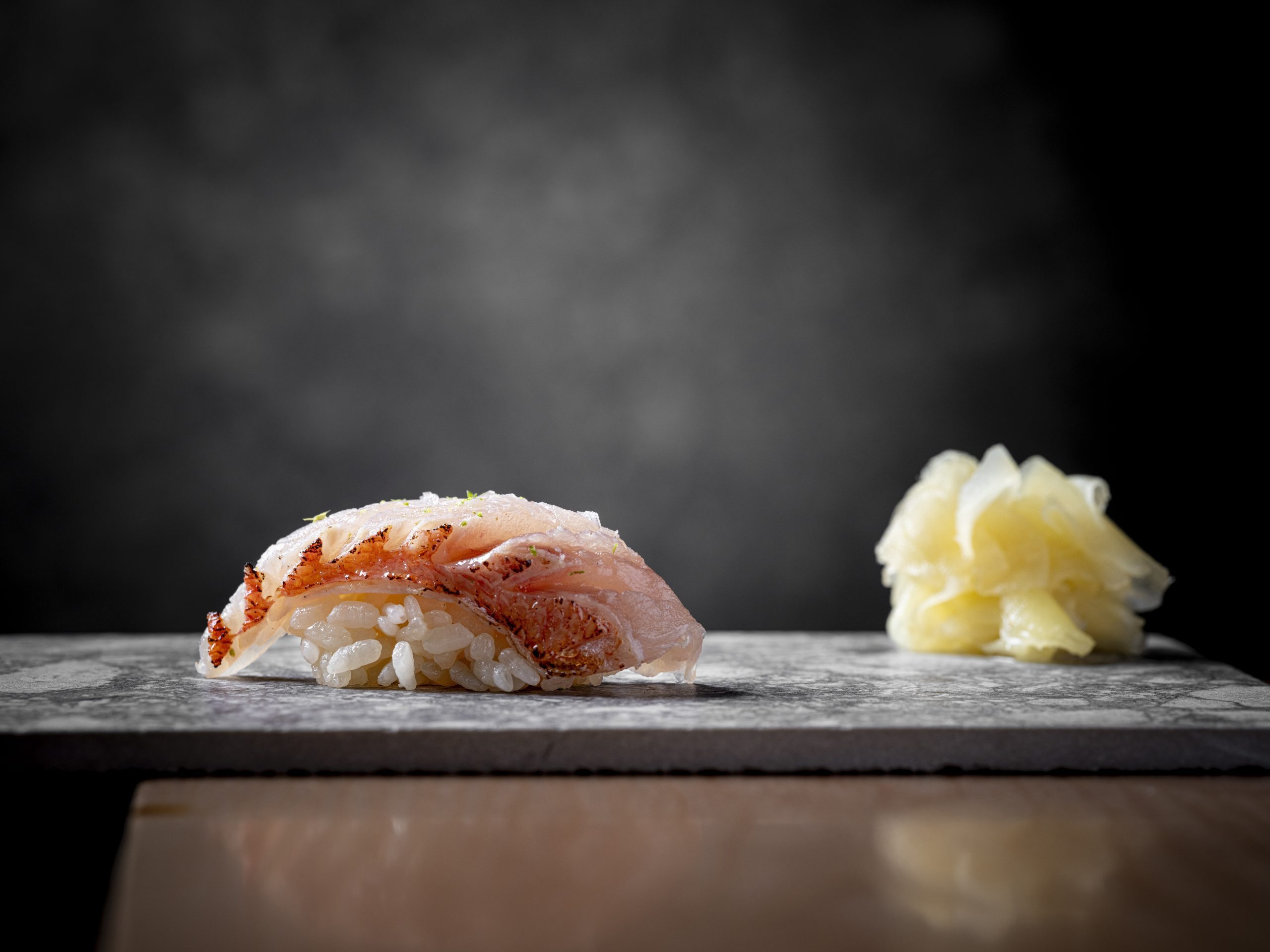
Move out to the Golden Mile and the register changes without the standard dropping. Messina has assembled a contemporary Mediterranean tasting menu that, by any honest measure, belongs in the top tier of the entire coast — the kind of meal that recalibrates what you thought this town was capable of. And inside Puente Romano, Nintai runs an omakase so disciplined it feels imported wholesale from a Tokyo basement, proof that Marbella's ambition is no longer confined to the local idiom.
The density doesn't stop at the city limits. Drive east to Elviria and El Lago has built a fine-dining identity around the marshes and producers of its own hinterland, Andalusian to the core and quietly garlanded for it. Push west to Estepona and Kuvo is doing a Spanish-Japanese tasting menu with the focus of a place that knows exactly what it is — a hidden-gem in the most literal sense, the sort of address you leave slightly amazed it isn't more famous.
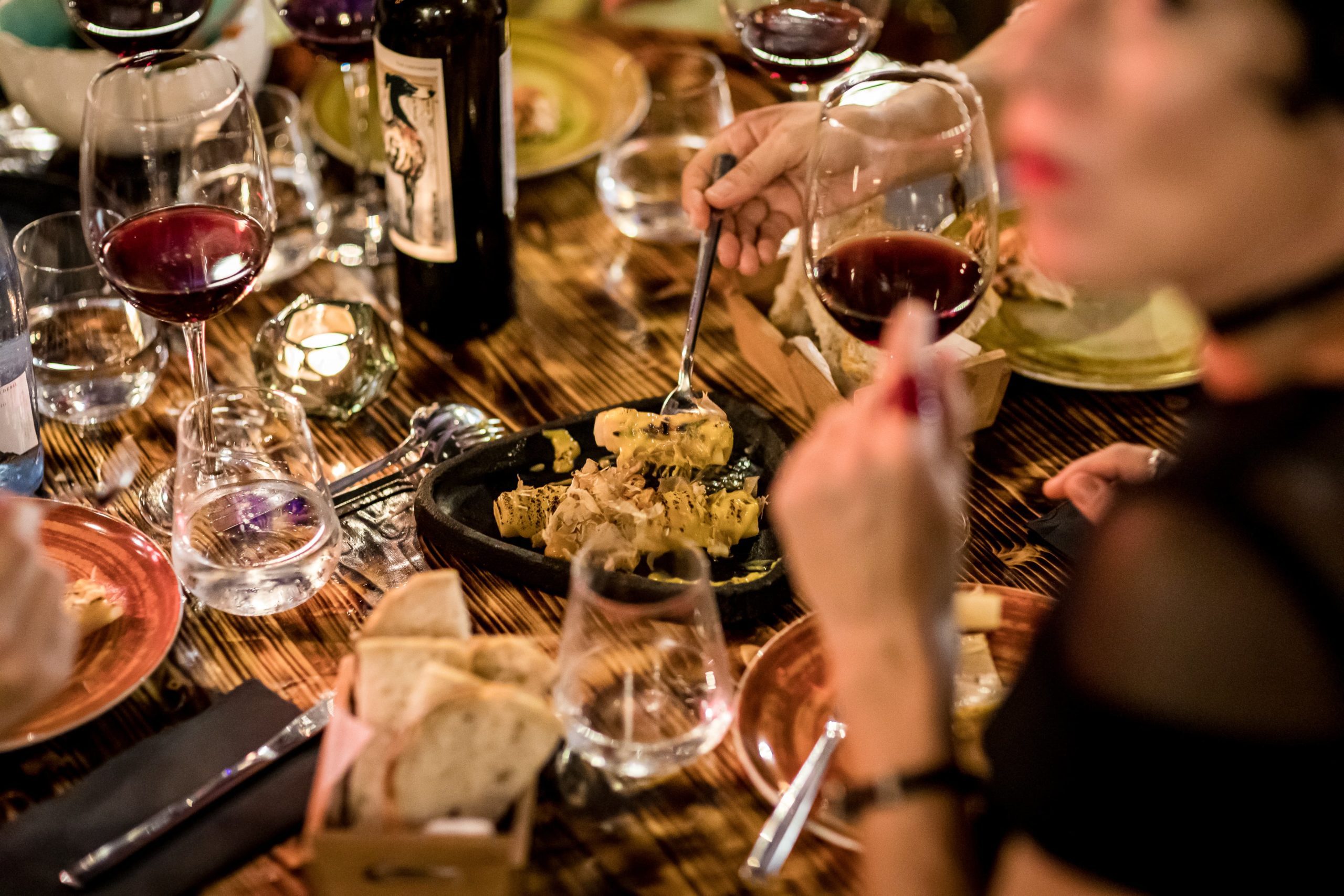
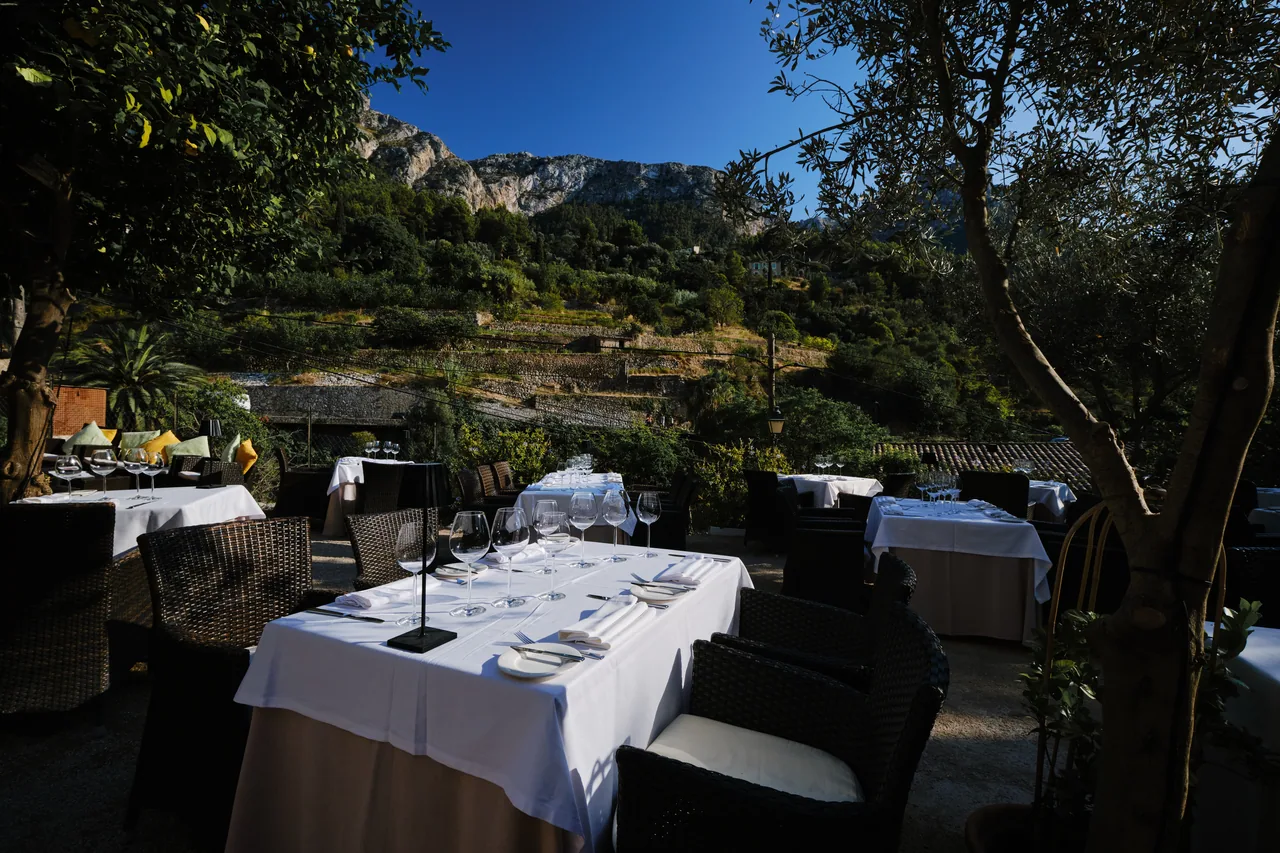
What unites them is a refusal of the obvious. None of these kitchens trade on the view; several have no view at all. None lean on the marina crowd or the wine-by-the-magnum economy that pays the bills two streets over. They are, almost defiantly, restaurants about food in a town that the world insists is about everything but. Even a place like Boho Club — garden-set, design-led, seasonal — earns its keep on the cooking rather than the Instagram backdrop, which on this coast is its own kind of statement.
The lesson for the visitor is to invert your assumptions. The best meal of your trip will almost certainly not be on the water, will probably require a reservation made weeks out, and may well be down a lane you'd never find by accident. Marbella's stars don't shout. But they are there in a concentration that embarrasses cities with far grander culinary reputations — and that disconnect, between the reputation and the reality, is the most interesting thing about eating here.