When the terraces reopen in April, Istanbul recovers an entire dimension of itself that has been dormant since November, and the first outdoor meal of the year becomes a city-wide ritual.
There is a moment in early April when Istanbul remembers that it is, fundamentally, an outdoor city. It arrives without announcement, a Tuesday afternoon when the temperature holds above sixteen degrees, the wind off the Marmara drops to a breeze, and the light at seven in the evening turns the color of warm stone. Within forty-eight hours, every rooftop, terrace, and courtyard in the city that was shuttered and stacked with furniture through the winter is swept clean, set with tables, and open for business. An entire layer of the city reappears, as if a second skyline had been built overnight.
The ritual of the first outdoor drink of the year is taken seriously in Istanbul, the way the first swim of summer is taken seriously in coastal towns. People choose their terrace with care, arrive earlier than usual, and sit facing west to catch the last hour of light. The drink itself is almost beside the point, a glass of wine, a gin and tonic, a Turkish coffee, because what is really being consumed is the view, the air, and the particular pleasure of being outside after five months of eating behind glass.
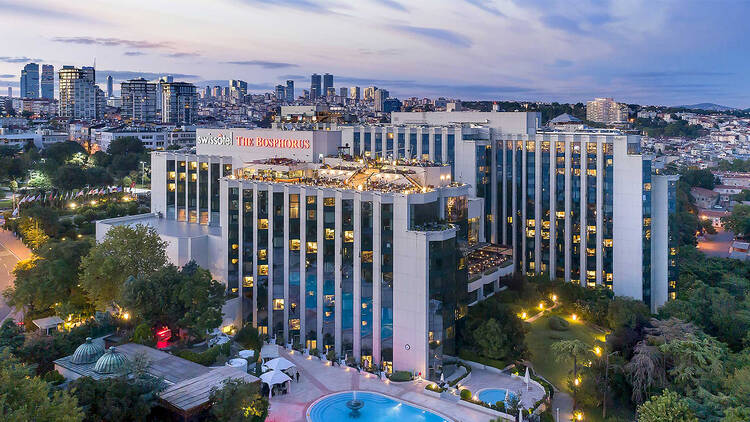
The terraces that open first set the tone for the season. Mikla, on the roof of the Marmara Pera, is among the earliest, its terrace is engineered for wind resistance and can operate in conditions that would send lighter furniture airborne. The view from Mikla in April is the one that every other rooftop in the city is measured against: the Golden Horn, the minarets of Sultanahmet, the Asian shore catching the last sunlight, and the Bosphorus running north in a line that seems to pull the eye out of the city entirely. Suma Terrace in Beyoğlu and 16Roof in Beşiktaş follow within days, each offering a different angle on the city's relationship with the water.
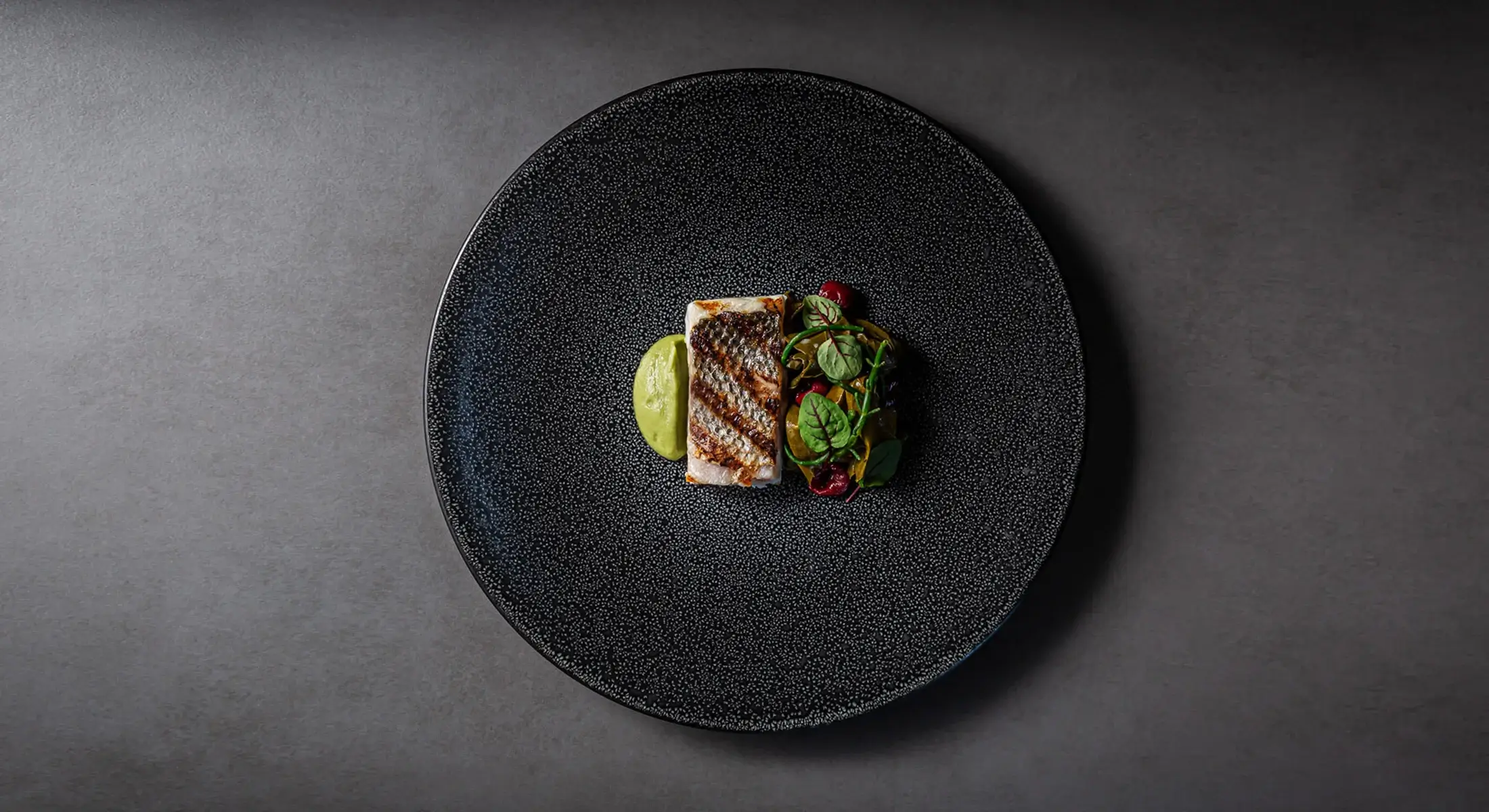
Spring does something specific to Istanbul's kitchens as well. The menus pivot away from the braised, the stewed, the heavy comfort of winter cooking and toward the grilled, the raw, and the green. Artichokes appear, enginar, served cold in olive oil with dill and lemon, or stuffed and braised as a transitional dish between seasons. Grilled sea bass replaces the baked whole fish of February. Salads grow more ambitious, dressed with pomegranate molasses and fresh herbs that were unavailable eight weeks ago. The shift is not dramatic, but it is felt: lighter plates, smaller portions, the kind of food that tastes right in open air and wrong indoors.
The Bosphorus terraces are a category of their own. Restaurants that spent the winter as enclosed dining rooms with views now become open-air platforms suspended between the water and the sky. Vogue, perched above the Bosphorus in Beşiktaş, runs a terrace that feels less like a restaurant and more like the deck of a particularly well-catered ship. The light at sunset here, the specific quality of April light reflecting off moving water, is something that does not photograph well and does not need to. It is experienced once and then sought out again every spring, which is exactly the kind of loyalty that terrace season is built on.
Istanbul in April is a city that has been given back its third dimension. The streets and the interiors are the first two; the rooftops and terraces are the third, and without them the city is incomplete in a way that is hard to articulate but impossible to miss. Terrace season is not a marketing concept. It is the annual proof that Istanbul was designed, by geography, by climate, by the instinct of the people who built it, for the hours spent outdoors, at a table, facing the water, with no particular reason to go inside.