When Istanbul's top chefs step out of their own kitchens, they gravitate toward a handful of places that the rest of the city barely knows exist.
There is a certain irony in asking a chef where they eat. The people who spend their lives in pursuit of flavor, who taste dozens of dishes before service each evening, are often the most demanding — and the most humble — diners in the city. They know too much to be easily impressed, and enough to recognize genuine craft when they encounter it.
The consensus among Istanbul's kitchen elite points consistently to the same handful of addresses: old neighborhood joints, fish tables you reach by a narrow staircase, bakeries that have been doing one thing well for forty years. What they share is a quality that no tasting menu can manufacture — a sense that the food exists entirely on its own terms, without any desire to be noticed.
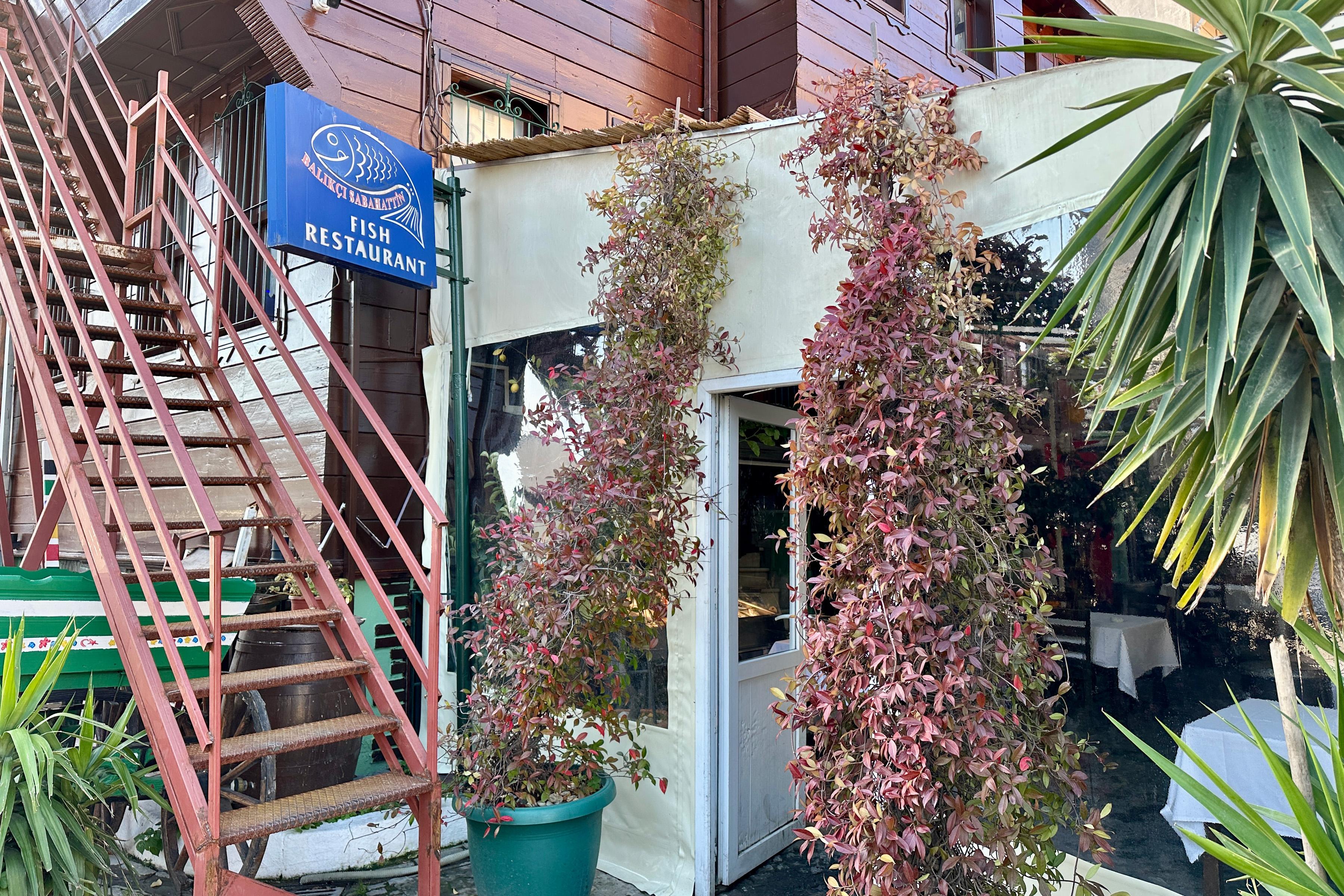
Balikci Sabahattin in Kumkapi is one such place. It has been serving whole fish and meyhane mezzes since 1927, and the kitchen has no interest in reinvention. Chefs from across the city eat there because the quality is consistent and the company is real — the tables fill with regulars, fishermen, and the occasional Michelin-starred visitor who has come to remember why they started cooking.
On the Asian side, Ciya Sofrasi in Kadıköy occupies a different kind of mythology. Chef Musa Dagdeviren has spent decades documenting and cooking the vanishing dishes of Anatolia — a living archive of regional ingredients and techniques that has been quietly influential on every generation of Turkish chef trained in the past thirty years.
Van Kahvaltı Evi in Cihangir draws the breakfast crowd, not just tourists but cooks finishing a late shift who want a table full of small dishes and very good tea. The Kurdish-style spread — dozens of accompaniments, local cheeses, honey still in the comb — is exactly the kind of generous, unfussy cooking that sustains the people who feed others for a living.
The lesson from all of this is simple enough: the best food in Istanbul is rarely where anyone tells you to go first. It requires a degree of wandering, an appetite for the unremarkable exterior, and a willingness to sit where the light is not flattering and the menu has no English translation. Chefs know this intuitively. They have been learning it, table by table, since they were young.