The famous little square is a stage set for day-trippers. The island people who run Capri eat somewhere else — up the hill in Anacapri, in caves above the sea, under lemon trees the boats never reach.
Everyone arrives at the same place. The funicular spits you into the Piazzetta, four cafés trade the same square metre of view for the price of a small dinner, and by noon the marble is wall-to-wall linen and sunglasses. It is a beautiful trap, and it is worth twenty minutes — a granita, the campanile, the theatre of it. Then you should leave, because Capri's actual cooking begins where the foot traffic ends.
Go up. The bus to Anacapri grinds along a road carved into the cliff, and at the top the island changes register entirely — slower, greener, more its own. This is where you find L'Olivo, the only two-star kitchen on Capri, set inside the Capri Palace with a dining room that takes Campanian produce and treats it with the seriousness Paris reserves for itself. It is the formal apex of the island, and it earns the climb. A short walk away is Il Riccio, beach-club blue-and-white above the Blue Grotto, where the seafood is pristine and the famous dessert room is a genuine rite, not a gimmick.
But Anacapri's truer pleasure is rustic. Da Gelsomina alla Migliera sits at the end of a footpath through vineyards, looks toward the sea and Ischia, and cooks the island's own chickens and rabbit and house wine the way a family cooks for itself, because that is precisely what it is. You walk there. The walk is half the meal.
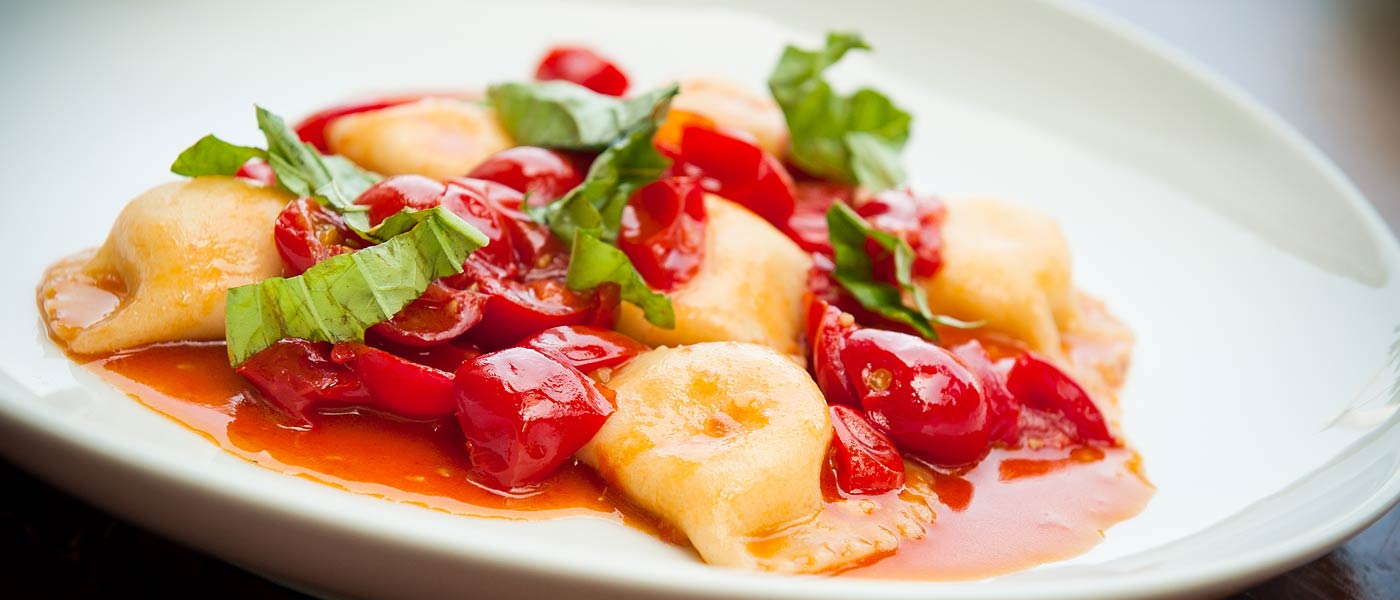
Back toward Capri town, leave the boutiques behind and the trattorie get serious about being themselves. Le Grottelle is built into the rock on the path to the Arco Naturale — half the tables are in a natural cave, the other half on a terrace hanging over Marina Piccola — and the cooking is honest Caprese: rabbit, ravioli, lemon. Da Tonino, down in the Matermania valley, is a family house with one of the most serious wine cellars on the island; you go for the cooking and stay for what the father pulls out of the cellar when he decides he likes you.
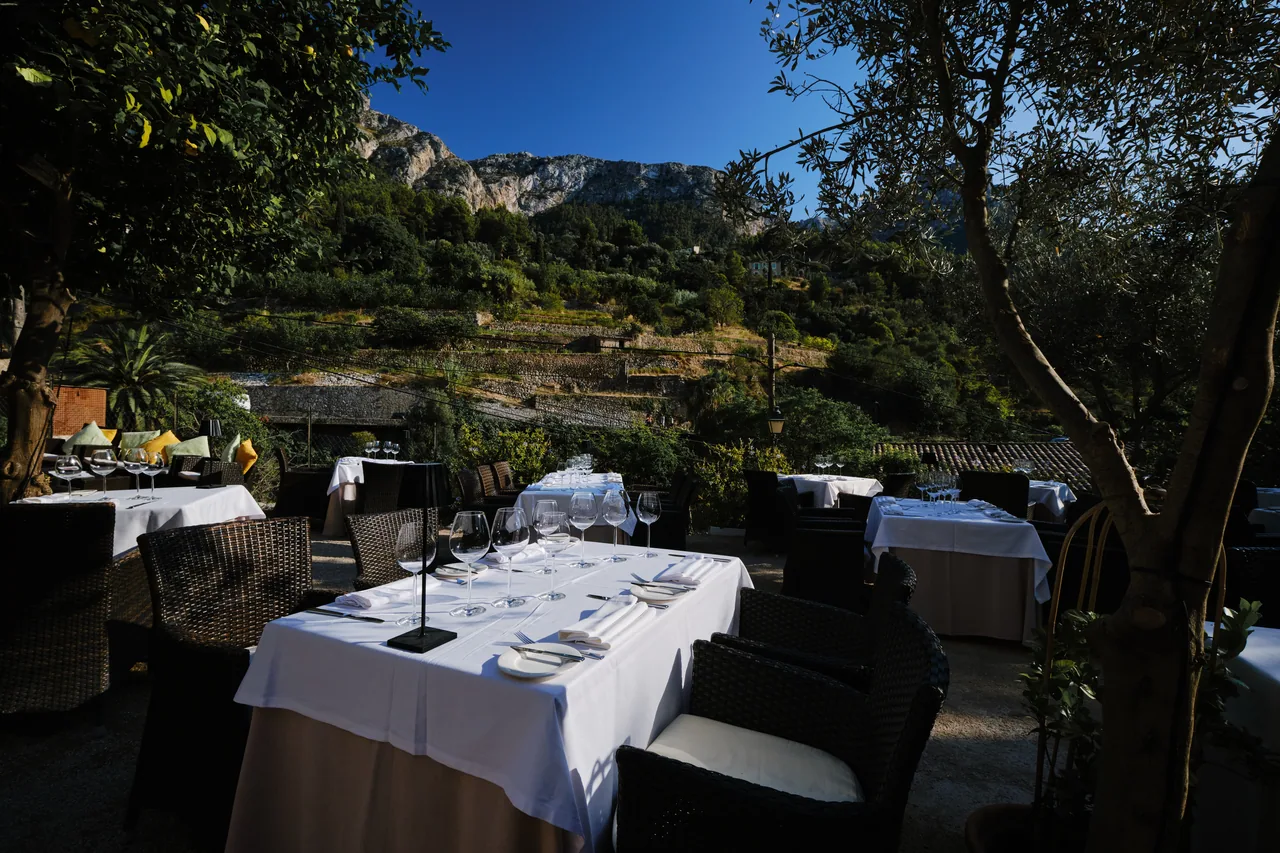
For the institutions, two names hold. Aurora has fed Capri since before the island was famous — the pizza all'acqua is a local signature, the walls are a century of photographs, and the family still runs the room. Da Paolino is the lemon-grove restaurant everyone has seen photographed: tables under a canopy of actual lemon trees, the fruit hanging over your head, the menu Caprese and generous. It is touristic in the best sense — a genuine island experience that happens to also be a postcard.
The pattern, once you see it, is simple. The Piazzetta is the island's lobby; the kitchens that matter are up the hill, down the paths, inside the rock, under the trees. Capri rewards the walk, the bus, the slightly-too-long stairway. The people who live here have always known this. The square is for arriving. Everywhere else is for staying.