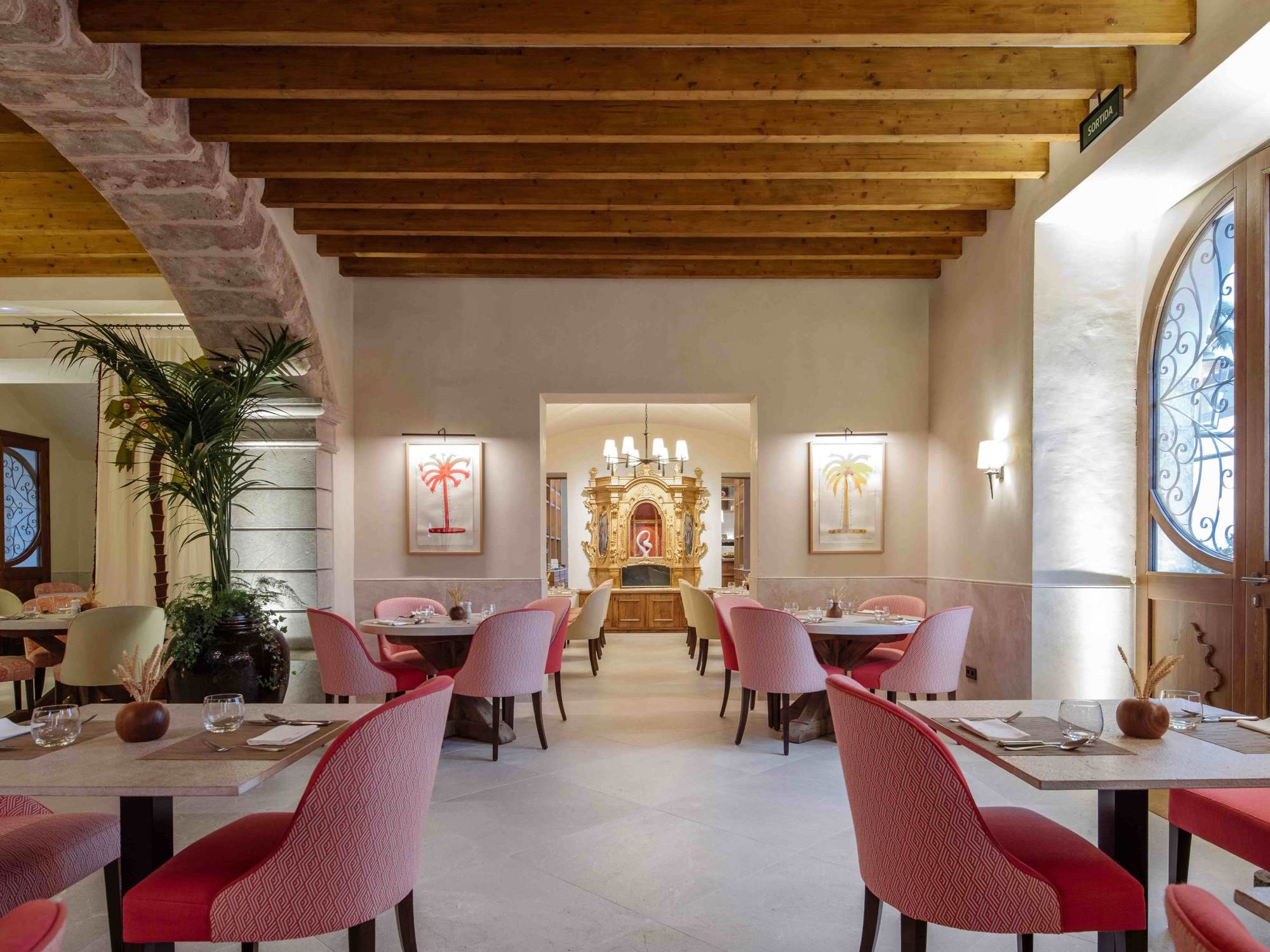
The Serra de Tramuntana is a UNESCO landscape with a restaurant culture wrapped around its lunches. Drive the coast road from Banyalbufar to Sóller and you can eat your way along a mountain that drops straight into the sea.
The northwest coast of Mallorca is a single, almost theatrical gesture of geography: the Serra de Tramuntana, a UNESCO-listed wall of grey limestone and terraced olive groves that runs the length of the island and falls, abruptly, into the sea. People come for the drive and the hiking. They stay for the lunches, because the mountain villages have quietly become one of the Mediterranean's great daytime eating circuits — best worked slowly, on a shoulder-season weekday, with no plan to be anywhere by dark.
Begin in the southwest, at Banyalbufar, a village of vines clinging to terraces above the water. Son Tomàs is the unforced choice here — a family seafood table with a sea-terrace, the kind of long lunch where the view does half the work and the grilled fish does the rest. A few minutes along the same coast, on the Son Bunyola estate, Sa Terrassa offers the more composed counterpoint: garden-grown produce, a seasonal card, the polish of estate dining without surrendering the landscape that justifies it.
The road north climbs and corkscrews toward Deià, the honey-stone village that has drawn writers and painters for a century and now anchors the coast's most concentrated cluster of good tables. Down at sea level, Ca's Patró March is the unmissable one — the rocky-cove grill where you eat the day's catch with the Mediterranean at your feet, a place that has resisted every temptation to become more than it is.
Up in the village proper, Deià shows its refined face. Sebastian is the intimate, chef-driven room locals book for an anniversary — romantic without being saccharine, serious without being stiff. El Olivo, the tasting kitchen inside La Residencia, is the grander statement: an elegant, romantic dining room where the meal is engineered as an evening-length experience and the setting earns the ambition.
Carry on to the Sóller valley, the great green bowl of citrus orchards behind its own mountain pass, and the register shifts again toward updated tradition. Ca'n Boqueta in Sóller town turns Mallorcan cooking into tight, refined tasting menus — chef-driven, intimate, the work of a kitchen that respects the old recipes enough to sharpen them. Then drop down to the water at Port de Sóller, where Es Canyis has run a beachfront family seafood table for generations: classic, unhurried, the proper full stop to a day on the coast.
A word on rhythm, because it is the whole point. This circuit is a disaster in peak August — the coast road clogs, the cove fills, the kitchens run flat out and the magic thins. Come in May, June, or September instead, midweek, and the same villages hand you the version everyone is actually chasing: empty switchbacks, a terrace table without a fight, and a kitchen with the time to cook properly.
You will not do the whole list in a day, and you shouldn't try. Pick a cove and a village, build the afternoon around one long lunch, and let the drive between them be the second course. The Tramuntana does not reward the checklist. It rewards the unhurried.