Ungrafted vines coiled into baskets against the wind, pumice instead of topsoil, no rain to speak of. Santorini's wine is a survival story you can taste — here is how to drink it properly.
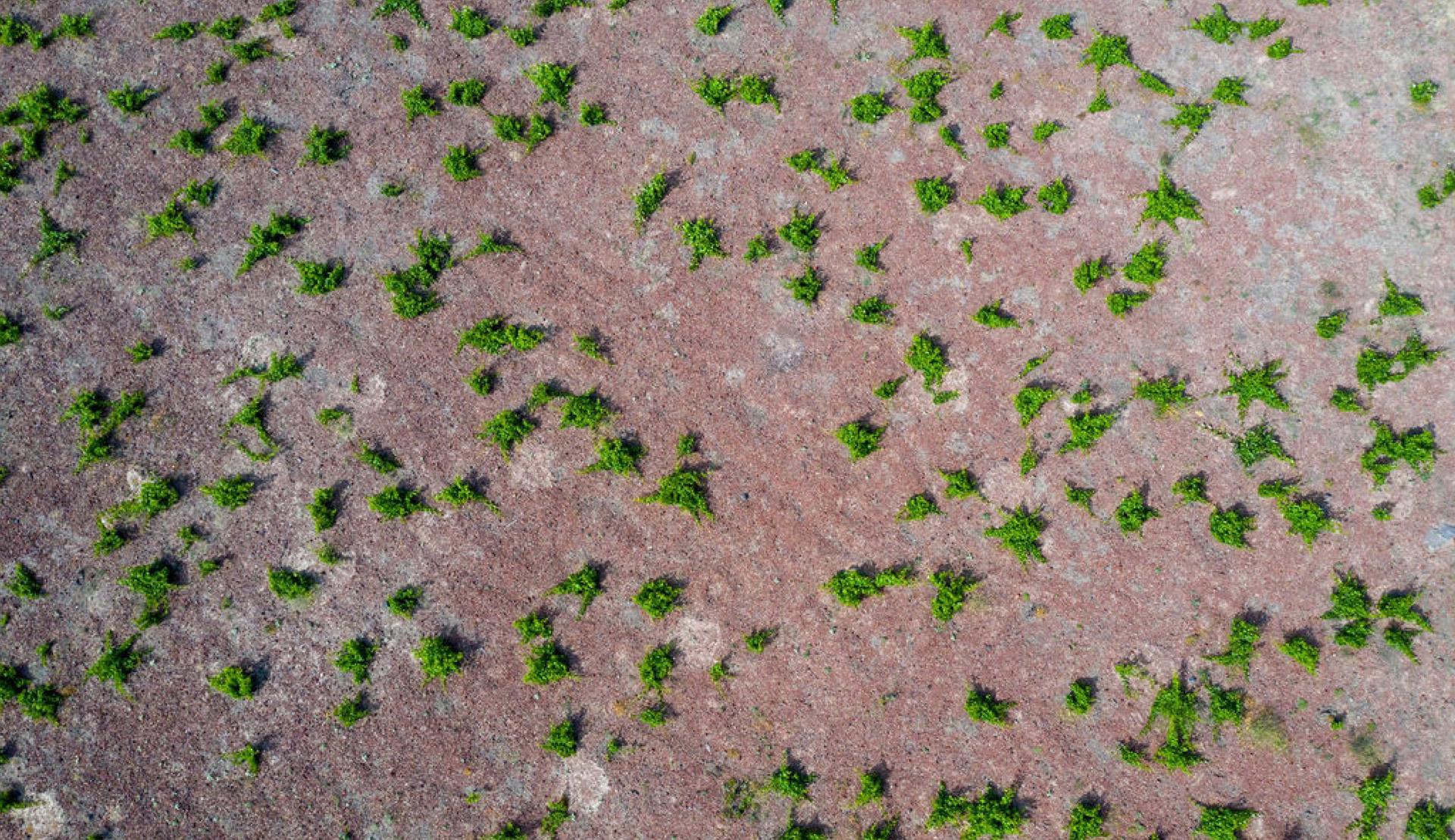
To understand Santorini's wine you first have to accept how little the island gives a vine to work with. There is almost no rain. There is no real topsoil — just pumice, ash and volcanic rock laid down by the eruption that hollowed out the caldera. And there is wind, relentless enough that the growers train their vines into low woven baskets called kouloura, coiling the canes into a nest that shelters the grapes inside. The result is one of the few places in Europe with ungrafted, pre-phylloxera vines, some of them centuries old. The wine that comes off this is not a lifestyle product. It is a survival document.
The grape that does the heavy lifting is Assyrtiko — high in acid, mineral to the point of saline, capable of carrying that brightness even through a brutal Aegean summer. Dry, unoaked, it tastes of citrus and struck flint and the sea air it grew up in. The island's other signature is the opposite extreme: Vinsanto, a sweet wine made from sun-dried Assyrtiko and Aidani, aged for years in barrel until it turns to dried apricot, fig and caramel. One is austere, one is opulent, and between them they tell you almost everything about the place.
Begin the education at Domaine Sigalas, out in the flatter, vine-heavy north near Baxedes. Paris Sigalas is the most articulate evangelist the island has for what Assyrtiko can be, and the food-pairing room makes the case directly: the wines next to the dishes that were built around them. It is the single most useful afternoon you can spend if you want to leave actually understanding Santorini in a glass.
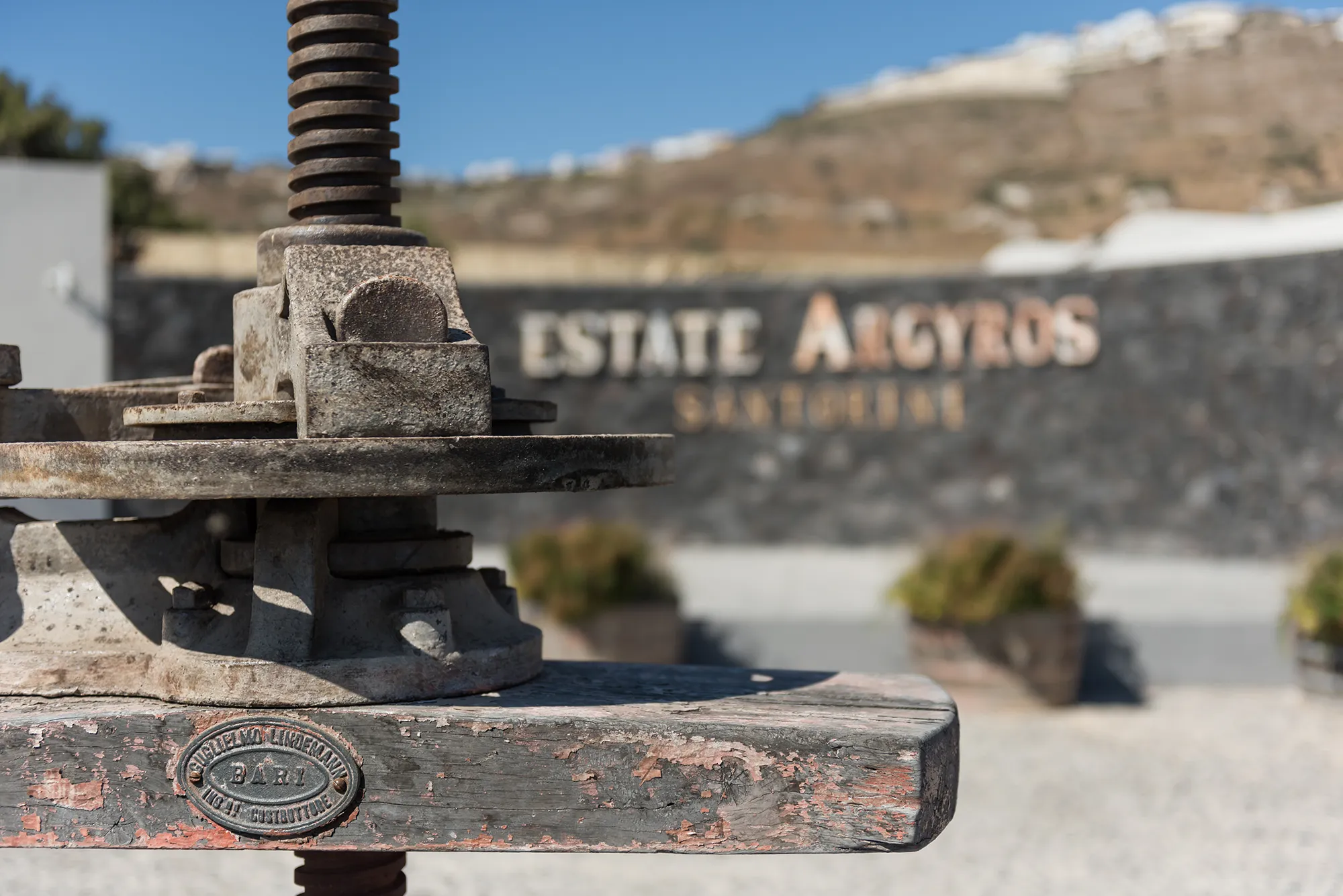
Gaia Wines, by contrast, puts you at the water's edge at Exo Gialos — a former tomato-processing plant turned design-led tasting room, where the cult Thalassitis bottlings spend time ageing on the seabed offshore. Estate Argyros, up at Episkopi Gonia, is the old-vine custodian: a family estate sitting on some of the most venerable ungrafted vineyards on the island, and the place to taste what genuine age in the ground does to Assyrtiko and to Vinsanto.
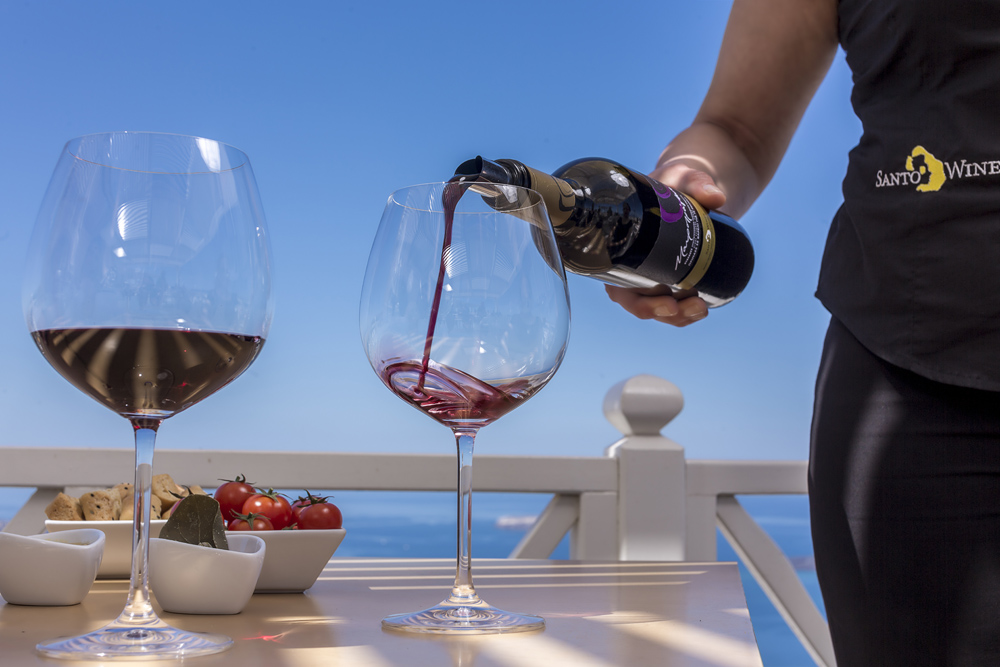
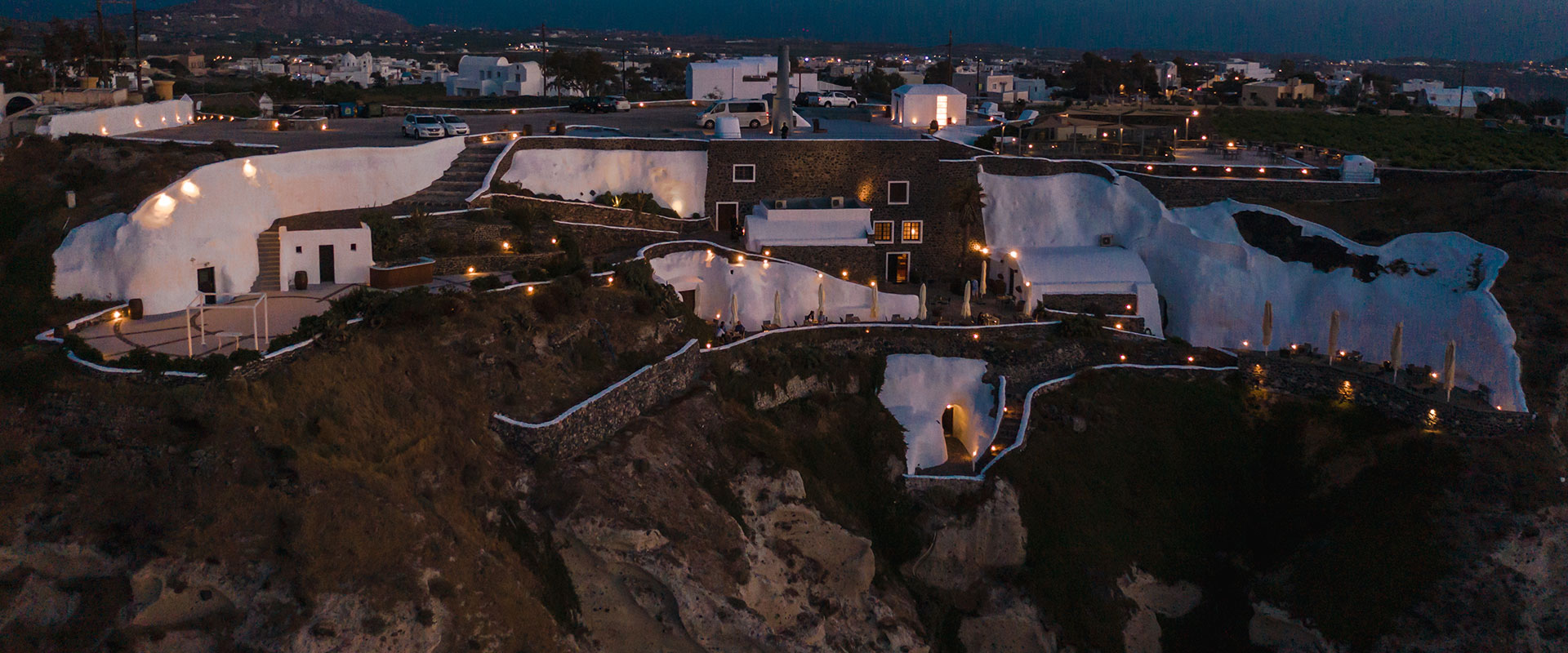
For the cooperative-and-caldera version of the story, Santo Wines above Pyrgos is the large-scale tasting terrace everyone funnels through — efficient, panoramic, a fair introduction even if it lacks the intimacy of the estates. Venetsanos, clinging to the cliff at Megalochori, is the more atmospheric sunset pour: a historic gravity-flow winery built into the rock, with a terrace that genuinely earns the cocktail-hour crowd it draws.
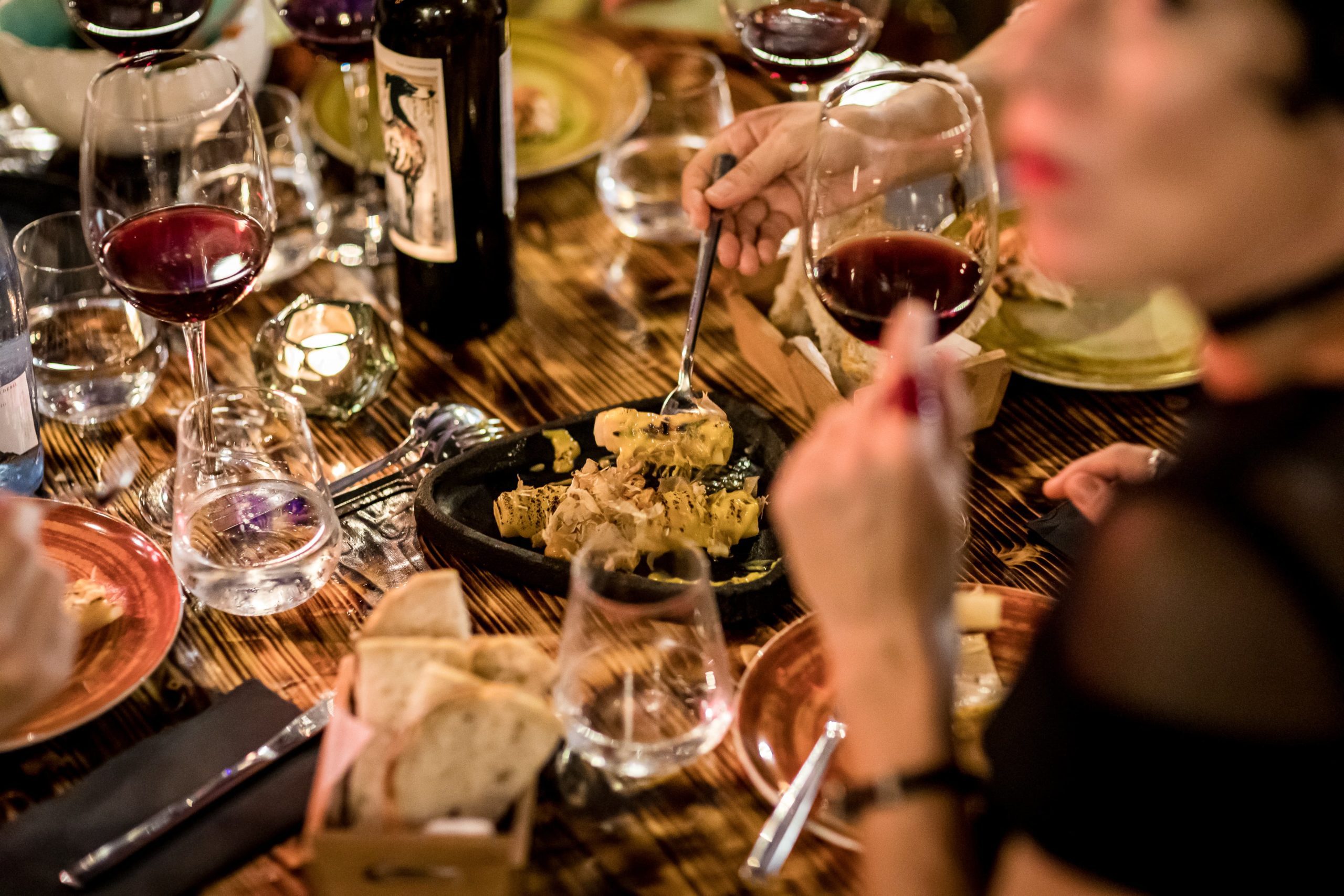
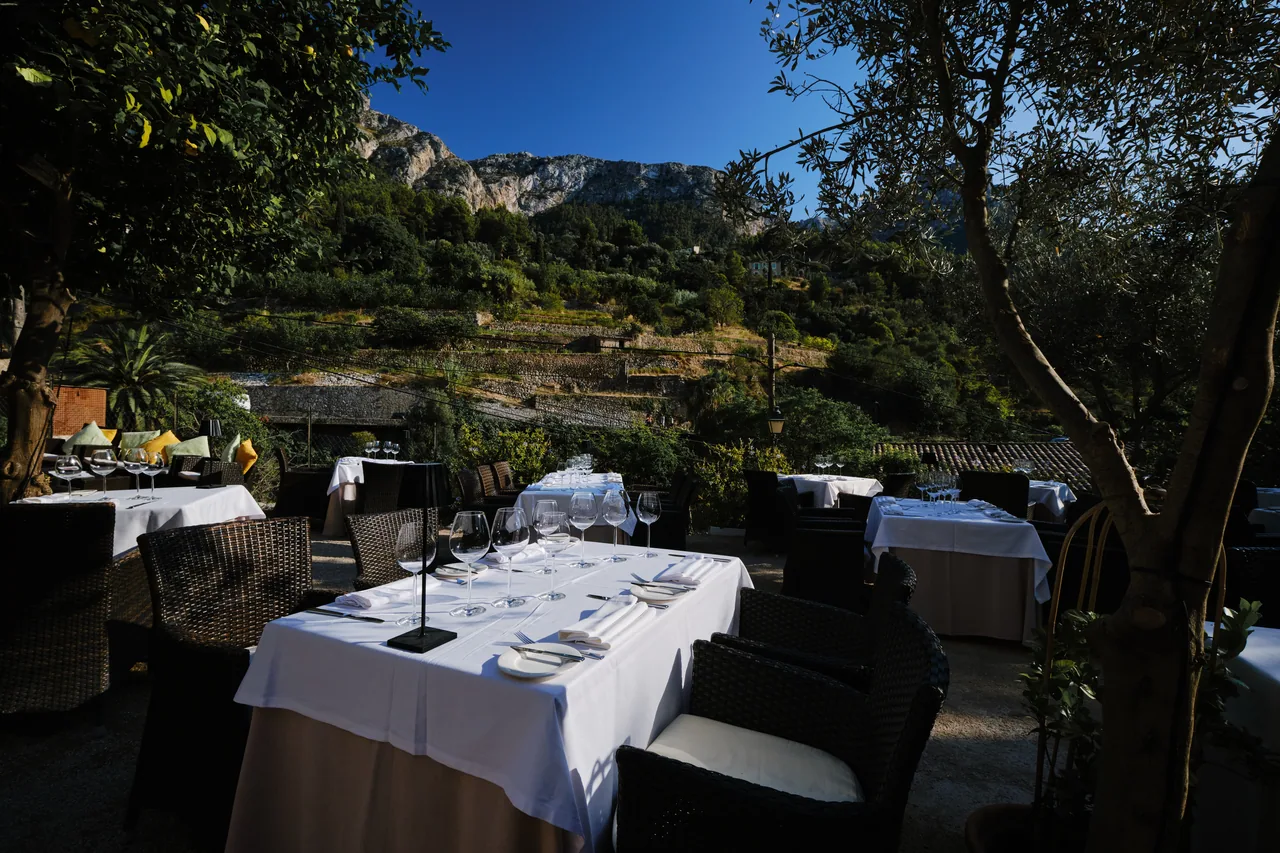
Then close the loop at the table. A kitchen like Selene exists partly to show you why this wine and this island belong to each other — the saline Assyrtiko against the fava and the caper, the Vinsanto against something almost too rich to finish. Drink the wine where it grew, next to the food it was bred alongside, and the volcanic-soil argument stops being a tasting-note cliché and becomes the obvious truth of the place.
The practical note: most of these estates want a booking in season, and the good slots — Sigalas late afternoon, Gaia at golden hour — go early. Plan the wine days the way you would plan the dinners. On this island they are the same project.