Tamam Restaurant

Historic hammam Candlelit Vaulted stone
From fine dining to local tables, explore our restaurant selection for Crete. Compare cuisine, atmosphere and practical details before booking.
Delicious food in relaxed settings

Splantzia
Greek-Levantine cooking down a Splantzia alley with a steam-bath well


Topanas
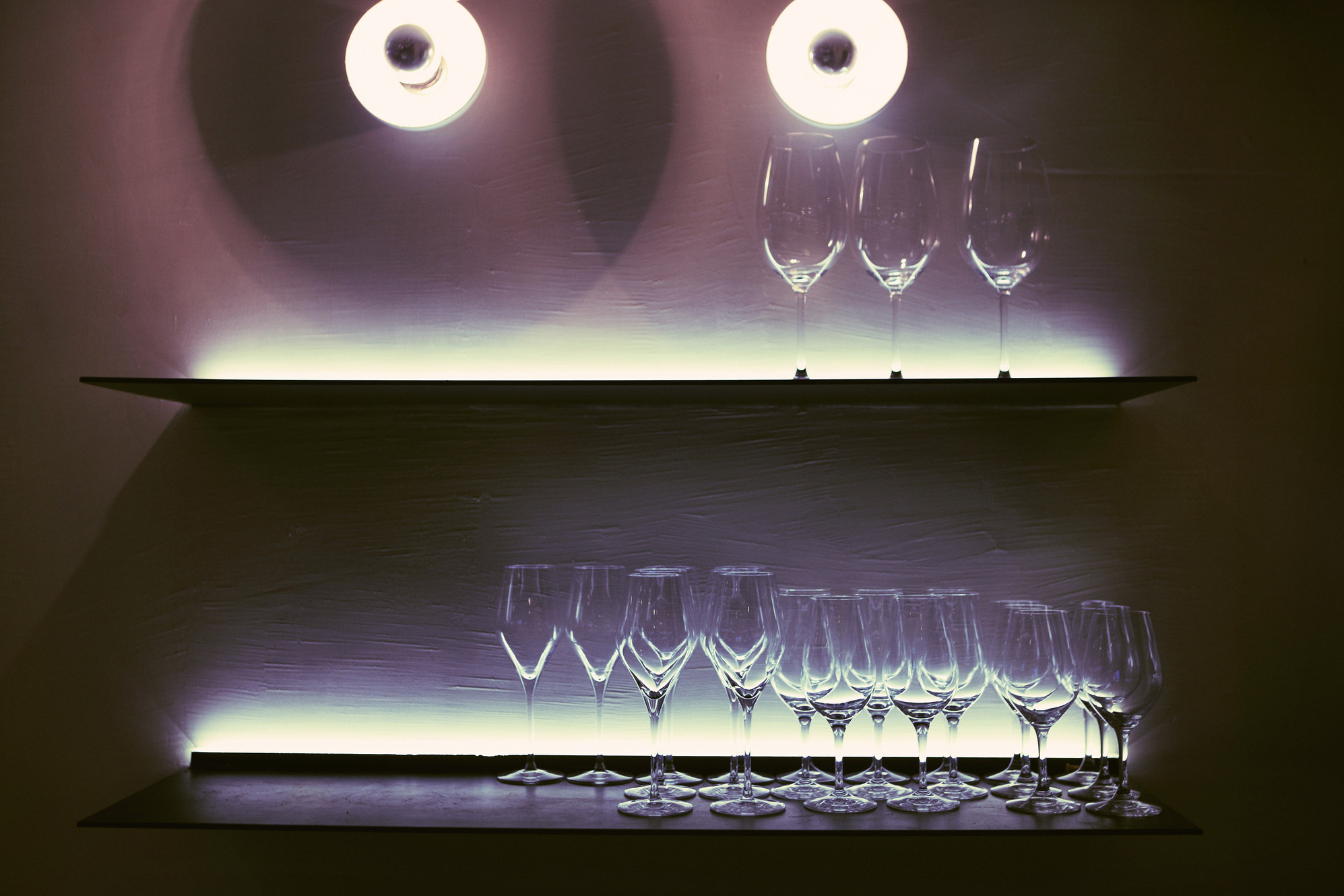
Intimate wine bistro on Theotokopoulou with one of Chania's best lists

Topanas
French-trained chef's modern Cretan tasting room in a Venetian manor
Drakona (Keramia)
Wood-fire farm taverna cooking only over fire from its own land

Vamos (Apokoronas)
Stone-oven Cretan institution in the centre of Vamos

Gavalochori (Apokoronas)
Clay-pot-over-coals taverna under the plane tree in Gavalochori
Tsikoliana / Vamos (Apokoronas)
Antikristo over open fire in a 200-year-old stone building near Vamos
Koum Kapi (Chania)
Art-deco brasserie and ceramic studio with its own winery on the Koum Kapi seafront

Venetian Harbour & Walls (Heraklion)
The locals' seafood ouzeri by the Venetian port

Tabakaria & Halepa (Chania)
Chef Saridakis's modern Cretan ode to fish


Rethymno Old Town
Creative Cretan inside a 15th-century monastery


Splantzia
Fire, Cretan produce and a zero-waste kitchen on Splantzia square

Kastelli / Old Harbour edge
Tiny market-driven kitchen, the chef's daily haul is the menu
Topanas / Kastelli
Cretan cooking inside Venetian-Ottoman ruins, open to the sky

City Centre / Walls
Chef Maniadakis's gastrobistro by the Venetian fortifications

City Centre
All-day Greek bistro blending Hellenic and Levantine flavours
Crete sits outside the Michelin Guide entirely — the Greek selection runs Athens, and from 2026 Santorini and Thessaloniki, but the island has never been on that map. What it has instead is a deep farm-to-table tradition that predates the food-tourism era: kitchens that read the season off their own gardens and the village producer rather than off a menu. The island's dining splits cleanly across three towns — Chania in the west, Heraklion in the centre, Rethymno between them — plus the mountain tavernas that are the real story.
In Chania, Splantzia is the canonical quarter: Tamam in a converted Ottoman hammam, Kouzina E.P.E. and The Well of the Turk on the same Levantine-Cretan axis, and To Maridaki for seafood meze. The Tabakaria tannery district holds Thalassino Ageri, a fish taverna on the rocks. Topanas, inside the Venetian walls, is where the wine-driven modern register lives — Salis, Oinoa, Serenissima. Heraklion's Old Town is the farm-to-table heartland (Peskesi, Apiri, plus the traditional bench of Merastri, Erganos and Athali), with Archanes village just south for Bakaliko. The mountains carry the rest.
The defining Cretan meal is not in a town at all. Dounias, up in the village of Drakona above Chania, cooks entirely on wood fire — no electrical appliances — with ingredients from the owner's own farm; it has drawn international press for exactly that purity. Peskesi in Heraklion works the same logic from a restored mansion, supplied by its own organic farm. Expect raki and rusks, snails, wild greens, slow-cooked goat and a great deal of olive oil. Prices are gentle by mainland fine-dining standards; this is generosity, not spectacle.
July and August are the crush — book the Chania old-town tables and Thalassino Ageri several days ahead, and aim for an early or very late seating to dodge the heat. The mountain tavernas like Dounias keep their own hours and can sell out of the day's cooking, so call before you drive up. The smart windows are May–June and September–October, when the kitchens are fully open but the harbour-front tables are not yet a scrum.
Discover bars, cafes, hotels, and more.
Explore More Cuisines